Tuesday, June 17, 2014

Refrigerated Warehouse Company and Refrigerated Warehouse Buildings.


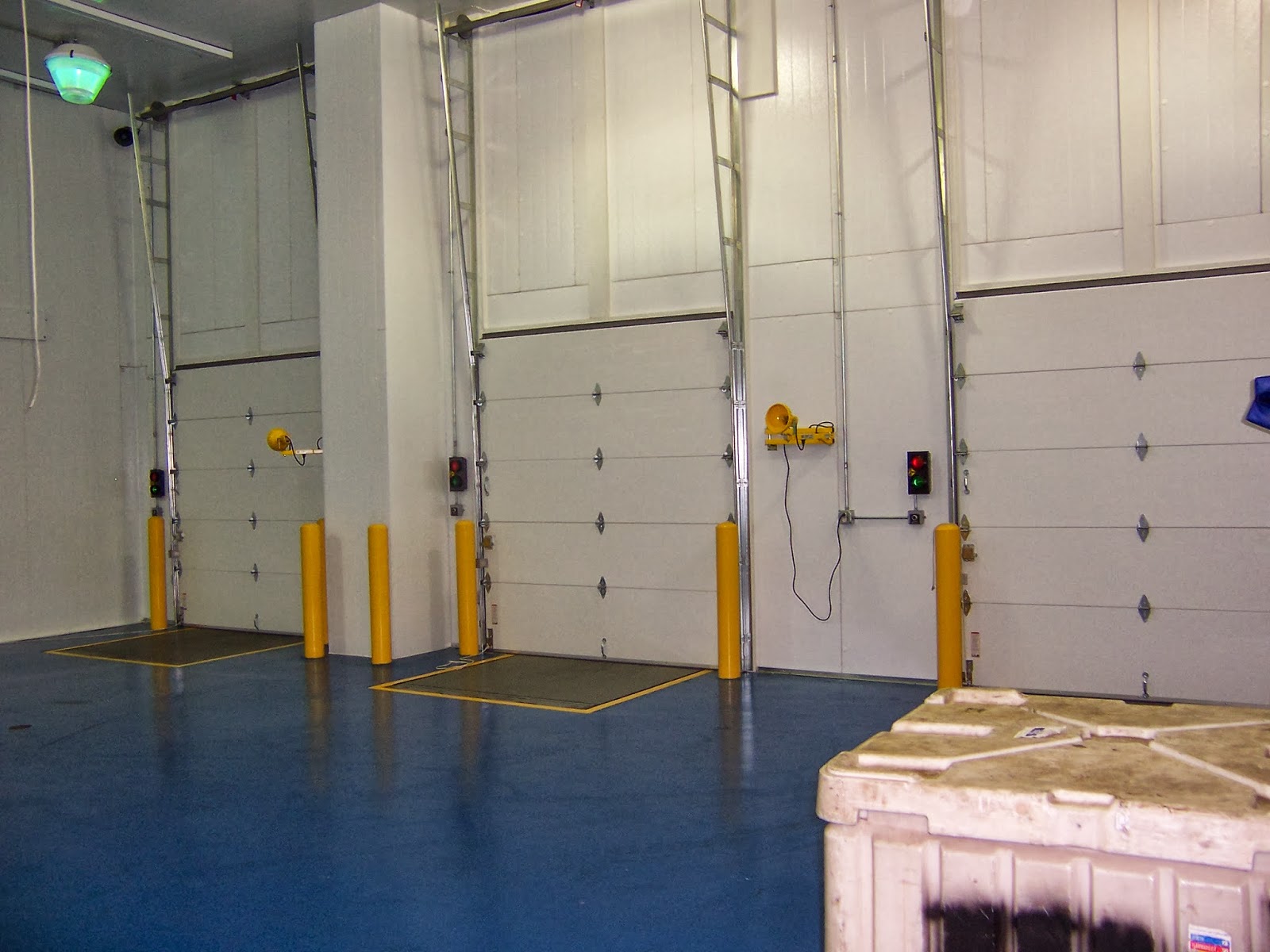
Often times there is confusion between what a refrigerated warehousing company and refrigerated warehouse building. For those not familiar with terminology of this niche of industrial real estate, it can often be frustrating because the two are completely different. A refrigerated warehouse building is an industrial warehouse facility that is capable of freezer and cooler warehouse storage temperatures. The product that is being stored requires that it be maintained in a frozen or a refrigerated temperature. Most of frozen and refrigerated products are either refrigerated food or food ingredients to be used in refrigerated foods. Freezer temperatures in refrigerated warehousing buildings are normally -10°F up to a +10°F. Cooler temperatures in a refrigerated building are usually +34° up to +45°. Ice cream storage and ice cream novelties require -15°F to -20°F. warehouse storage temperatures. A refrigerated warehouse building either been purchased or leased by a refrigerated food processor, or a refrigerated food distributor for the warehouse storage of their product. This is a privately or publicly owned company that is holding their refrigerated food products in a building that they own or lease. Simply stated; A private company in their own refrigerated building, selling refrigerated foods that they own to their customers. A refrigerated warehouse company is a business entity. A refrigerated warehouse company is in the business of storing and handling refrigerated food products that are owned by other companies. Refrigerated Warehouse Company is a type of business that is located in a refrigerated warehouse building and is storing frozen or refrigerated foods for other companies. Sometimes these warehouse companies are referred to as public refrigerated warehouse companies. Simply stated; A public refrigerated warehouse company is in the business of storing other companies refrigerated foods on a temporary or long-term basis. Refrigerated warehouse buildings are sold or are leased on a square foot basis. Refrigerated warehouse companies are sold on a multiple of their earnings from operations (Earnings Before Interest Taxes Depreciation Amortization- EBITDA). Typically a refrigerated warehouse company is sold at a higher price than refrigerated warehouse buildings. Therefore it is important to verify whether it was of business sale or a refrigerated real estate transaction when analyzing the value of any refrigerated warehouse building. Hawk Distribution Services LLC has 28 years of experience of leasing and selling refrigerated buildings. Hawk Distribution Services LLC also has experience in selling public refrigerated warehousing companies. Contact Jim Cronin at J.Cronin@hawkds.com or 314-994-0577.

Tuesday, March 4, 2014

Freezer storage temperature in refrigerated buildings in St. Louis, Missouri.

        
Freezer storage temperatures in refrigerated buildings in St. Louis, Missouri historically have been held at a -10°. Whenever a refrigerated food product or refrigerated ingredient for food products were kept in the freezer warehouse portion of the refrigerated building it was believed that a -10° storage temperature was required to maintain the quality and desirability of the refrigerated food. However there has been a trend in the Metropolitan St. Louis area and also refrigerated buildings in Illinois portion to maintain 0° storage temperatures in the freezer space. This trend began about 5 years ago, about the time of the beginning of the most recent economic downturn. What appears to be is that the owner’s and the operator’s of some of the refrigerated food companies, refrigerated cold storage, and refrigerated food processing companies reviewed all of their operations operating costs in order to maintain profit margins. Electrical usage is a significant operating cost of any refrigerated building. Perhaps over time the freezer storage temperatures were allowed to increase to what has become normally a 0° zero degrees storage temperature within the freezer portion of the refrigerated building.


Certain refrigerated food products require lower freezer storage temperatures. Food products with high sugar content require lower freezer storage temperatures, because the freezing temperature of sugar is lower than 32°, much like salt water requires lower than 32° to freeze solid. Ice cream products therefore require freezer storage temperatures normally at -15°. Also frozen dough bakery products sometimes have certain types of yeast that have exact freezer storage temperature specifications. The temperature specifications have some relation to activating the yeast, with certain types of yeast having different temperature specifications for freezer warehouse storage.

Hawk Distribution Services, LLC www.hawkds.com has 28 years of experience as refrigerated building real estate brokers. Please contact Jim Cronin at 314-994-0577 or e-mail J.Cronin@hawkds.com to discuss your company's refrigerated building real estate needs.


Friday, February 21, 2014

Produce buildings built to support field crop operations.

Produce buildings built to support field crop operations.

Growers of wholesale fruit and vegetable have 2 types of operations,one is having a fruit to harvest orchard or they plant field crops which are always vegitables. Either and orchard or a growing operation will eventually have their fruits and vegetables harvested. Then there is an immediate need to take temperature out of the fruit or vegetable that is just then harvested. Typically when harvesting occurs the produce is somewhere between 60° to 90°F and quickly has to be taken to cooler warehouse temperatures which are usually somewhere between 34 and 36°. Most growing operations have to have their own cooler warehouse building nearby. Typically these are not large refrigerated buildings; perhaps from 4,000 ft.² up to 10,000 ft.², but that is a lot of fruit and vegetables.

The specialized cooler warehouse buildings typically had more horsepower in the refrigeration mechanical systems within the regular cooler warehouse building would normally have. The fruit vegetables have to quickly be chilled, or they will not be desirable for resale, and in some cases may become spoiled and not able to be sold at all. Also these refrigerated buildings have the ability to circulate a lot of air throughout the refrigerated floor space areas to facilitate the rapid cooling of the field or orchard produce.

A typical example of a produce building is located at 1075 McDonough in Collinsville, Illinois 62235. Collinsville is located approximately in the center of the standard Metropolitan St. Louis area in 15 miles from St. Louis's Produce Row This 10,800 ft.² cooler warehouse building was originally built in the 1970s to support the field crop operation of horseradish. Horseradish is a field crop, also known as a root crop. Horseradish has high sugar content and requires a lower storage temperature than most fruit or vegetables. The cooler warehouse building at 1075 McDonough is capable of operating at approximately 28°. Sugar has a lower freezing point than 32°. Whenever a refrigerated warehouse building, like this metropolitan St. Louis, Missouri area that has temperature capabilities of storage in the upper 20s, then they are called a Low Temp Cooler Warehouse Buildings. Because of the upper 20s cooler storage temperatures, there is a need for some type of insulation in the floors in the cooler warehouse area. This Collinsville, Illinois warehouse facility has flooring insulation. Flooring installation basically is very compressed polystyrene are urethane panel that is placed just before the final concrete pour of the warehouse floor.

Hawk Distribution Services, LLC www.hawkds.com has 28 years of experience as refrigerated building real estate brokers. Please contact Jim Cronin at 314-994-0577 or e-mail J.Cronin@hawkds.com to discuss your company's refrigerated building real estate needs.


Monday, February 17, 2014

When do refrigerated food processing companies need to lease freezer warehouse space?


A refrigerated food manufacturing or refrigerated food processing plant primarily is involved in making refrigerated or frozen foods that require both non refrigerated and refrigerated ingredients. Most of the products that are made in refrigerated food processing plants typically are directly shipped within a matter of days from their refrigerated building. However, from time to time there is not enough freezer warehouse space or cooler warehouse space in their refrigerated facility to hold all their refrigerated ingredients or the refrigerated or frozen foods. Then these companies will need to lease cooler warehouse space or to lease freezer warehouse space somewhere near their food manufacturing plant.

Whenever refrigeration is required for ingredients or finished products there will be only a limited number of refrigerated buildings in the area that are available for lease. The refrigerated food processing plant will have to also consider the distance from their facility. The further away from the facility the more expensive it will be to transport the product back and forth from the manufacturing facility. The ideal situation would be to lease a freezer warehouse room, within a larger existing freezer warehouse building. This way the owner of the building would already be operating the existing facility which would include operating and maintaining the building’s refrigeration system.

An example would be the freezer warehouse space available for lease at 7235 Vicksburg Pike in Ft. Wayne, Indiana. The 8,000 square-foot refrigerated warehouse space is one room with one single door for entry and exit. The freezer room is completely pallet racked with 1,380 pallet slot positions and capable of -15° storage temperatures. Therefore a food company would need to do is to rent the room and uses the Ft. Wayne, Indiana freezer warehouse space whenever needed.

Hawk Distribution Services, LLC www.hawkds.com has 28 years of experience as refrigerated building real estate brokers. Please contact Jim Cronin at 314-994-0577 or e-mail J.Cronin@hawkds.com to discuss your company's refrigerated building real estate needs.

Wednesday, January 8, 2014

Secondary Industrial Markets and demand for refrigerated building real estate.

Secondary Industrial Markets and demand for refrigerated building real estate. There always is a limited demand in secondary industrial markets. This demand is simply defined as "distance” from the refrigerated building that is for sale or for lease. The building's demand is “distance” from the building, generally held to be 20 miles in a small industrial market. Whatever business the prospect is involved in, and will use of an industrial freezer warehouse or cooler warehouse areas of building, will then that prospect will always have a customer base that supports the refrigerated food distribution or refrigerated food processing business of the refrigerated buildings prospect. Every industrial building's customer base has a tolerance on how many miles they will drive to consume/purchase any certain goods or services. There sometimes is some variance from that "20 mile" figure according to what type of refrigerated goods or refrigerated services that will be purchased. The more frequent the consumption/purchase the less the mileage tolerance will be of the refrigerated building prospect’s customer base. Most typically the prospective purchaser or lessee for industrial building in these smaller industrial markets will have outgrown their freezer and cooler facility. Sometimes the purchaser may have been in several different facilities and will need to consolidate their operations for one of two reasons. The first reason is that a rental property was no longer available to the prospect to occupy, for such reasons as the end of the lease term or eminent domain. The second reason is that consolidation of operations into one single location will now result in lower operating costs for the prospect’s business operations. Usually most of these businesses are owned by individuals that have a desire to purchase a refrigerated building for sale, rather than lease a refrigerated building, so as to be able to build equity in the industrial freezer or cooler building and therefore increase their own personal net worth. Any prospective purchaser of a refrigerated building will look at the new building replacement cost [new construction] when considering buying a used refrigerated food processing or refrigerated distribution building. When analyzing of new construction, there is usually not any recent refrigerated building sales comparables in the secondary industrial market. When marketing industrial real estate in a secondary industrial market it is always important to remember that the highest likelihood that the best prospects for the sale or lease of the refrigerated facility will be from within a 20 mile radius of that refrigerated building for sale. As the real estate broker saying always goes, "sell it to the neighbor". Hawk Distribution Services, LLC has 26 years of experience as refrigerated building real estate brokers. Please contact Jim Cronin at 314-994-0577 or e-mail J.Cronin@hawkds.com to discuss your company's refrigerated building real estate needs. To view Hawk Distribution Services, LLC’ refrigerated buildings available for sale or refrigerated warehouse space for lease in St. Louis, Missouri and also in Kansas City, Missouri and the Midwest connect to www.hawkds.com

Friday, October 11, 2013

Refrigerated Transfer Facility – construction specifications and building function.

Refrigerated Transfer Facility

There are certain types of refrigerated buildings that are constructed to allow for the transfer of refrigerated food products received from a regional food distribution centers that are to be transferred to delivery trucks that are domiciled in the metropolitan area that the refrigerated transfer facility is located in.

These refrigerated warehouse buildings have to have certain specifications built into their construction so to be able to service the inbound refrigerated and frozen food products and support of the numerous domiciled delivery trucks. The specifications are refrigerated docks, freezer and cooler warehouse storage areas, extra parking areas for the delivery trucks, warehouse office space and also office space to support sales personnel assigned to that metropolitan area.

The parking area has to provide for employee vehicle parking for office and warehouse personnel, parking for the delivery trucks, and maneuvering for tractor trailer traffic from the regional distribution center. The parking area also has to have electrical outlets for the refer units on the delivery trucks.

The refrigerated transfer facility has to be large enough to accommodate enough inventories to support the sales volume of the metropolitan area. The amount of refrigerated foods that need to be maintained on-site is established by the type of inventory turn required by the food product, and also the number of deliveries received from the regional distribution center. As for example, meat products could have a slower inventory turn as compared to dairy products. This means that the refrigerated transfer facility for meat products would need larger freezer warehouse space or cooler space because of the longer shelf life and slower inventory turn when compared to dairy products which have a 1 to 2 day inventory turn because of the relatively short shelf life.

Refrigerated transfer facilities need to be located such that the inbound tractor trailer traffic from the regional food distribution building does not become involved in the metropolitan's area traffic congestion. Also the location of the refrigerated transfer facility from the regional food distribution center would best be situated so that the tractor trailers from the distribution center can deliver food products to the refrigerated transfer building and returned to their distribution center in the same day.

The Metropolitan St. Louis area currently has a refrigerated transfer facility available for sale or for lease. The 25,000 square-foot facility is situated on 4 acres of land and near a major interstate. The refrigerated building has freezer space and cooler space and a refrigerated dock. The facility is located in Warrenton, Missouri allowing access to the St. Louis, Missouri and Kansas City, Missouri markets. To learn more about this refrigerated transfer facility contact Jim Cronin at Hawk Distribution Services, LLC, refrigerated building real estate broker at 314-994-0577 or e-mail of j.cronin@hawkds.com.

For other refrigerated buildings available for sale or for lease in the Midwest go to www.hawkds.com

Tuesday, August 6, 2013

Refrigerated Building Sale Price


Refrigerated Building Sale Price


What would my company’s refrigerated warehouse building sale price be if it was offered For Sale? What does the freezer warehouse space and the cooler warehouse space in our present refrigerated warehouse building add to the selling price of a refrigerated warehouse building?

These are important questions to be answered when your company is contemplating purchasing a refrigerated building. How old is the building, what are the ceiling heights in the warehouse area and how many dock doors does the building have? These 3 construction questions about a refrigerated building are important on how efficient the building will be when occupied and these questions will be important whenever your company decides to resell the building.

Where is the location of the building? This is important because there is a preference for refrigerated food type buildings to be close to interstate highways, and is located towards the center of the town or metro St Louis area so that transportation costs can be to a minimum.

How much of the building floor space is refrigerated? In the warehouse area how much floor space is capable of freezer storage temperatures, or is capable of cooler storage temperatures? Generally the higher the percentage of the building that is freezer space and cooler space, then the building will be worth more when you go to sell the facility.

How much land is your building located on? The amount of land is important in determining the sale price of a refrigerated warehouse building. There are certain "building to land" ratios that generally define how large the site should be. However each parcel of land is uniquely shaped, so special attention has to be given to how the building is situated so that the warehouse loading dock areas portion flows efficiently and the employee parking is sufficient.

All of these seem simple, but important questions. Hawk Distribution Services, LLC specializes in selling refrigerated warehouse buildings in the St. Louis, Missouri area, as well as the Kansas City metropolitan area.

To view freezer warehouse buildings available for sale or for lease in the St. Louis, Missouri metropolitan area go to www.hawkds.com
  
For refrigerated buildings with freezer space in St. Louis, Missouri call Jim Cronin, a real estate broker, at 314-994-0577 or email Jim Cronin at J.Cronin@HawkDS.com